
.png)
Explore Engaging STEM and Nature Activities: Stem Nature Ideas
- Tinker Scout Adventure Lab
- Aug 7
- 4 min read

When it comes to sparking curiosity and confidence in kids, nothing beats hands-on learning. I love how STEM and nature activities bring science, technology, engineering, and math to life while connecting children with the outdoors. Whether you’re guiding a troop or spending quality family time, these activities are simple, fun, and packed with learning. Let’s dive into some exciting stem nature ideas that you can try right away!
Why Choose STEM and Nature Activities?
STEM and nature activities are a perfect combo. They encourage kids to explore, ask questions, and solve problems while enjoying fresh air and natural surroundings. Plus, these activities build critical thinking and creativity. You don’t need fancy tools or expensive kits. Just a bit of curiosity and a few everyday items can turn any backyard or park into a science lab.
Here’s why I recommend these activities:
They promote active learning and discovery.
They help kids develop real-world skills.
They foster a love for nature and science.
They are easy to adapt for different ages and group sizes.
By mixing STEM with nature, you create a powerful learning experience that sticks with kids long after the activity ends.
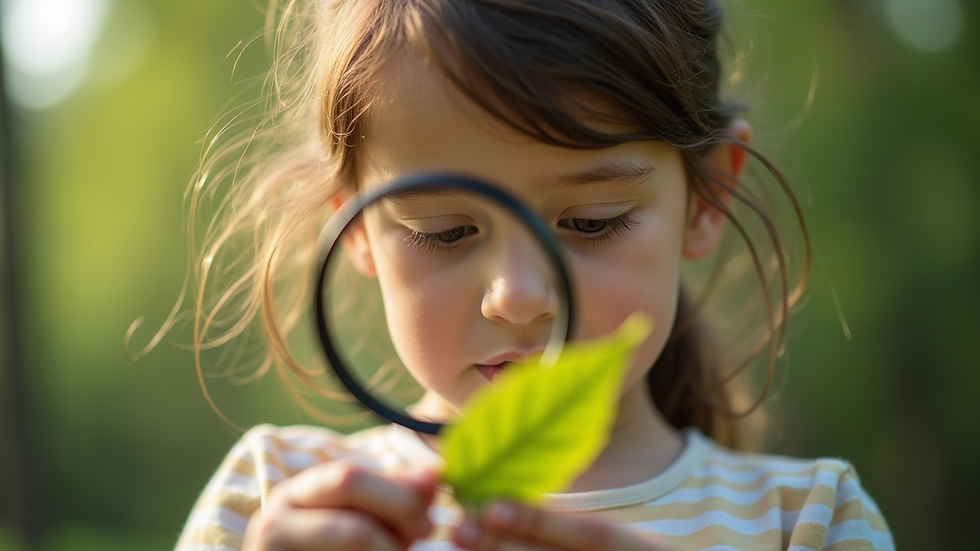
Fun and Easy Stem Nature Ideas to Try Today
Ready to get started? Here are some of my favorite stem nature ideas that are perfect for families and troop leaders. Each activity is designed to be hands-on, engaging, and educational.
1. Build a Miniature Solar Oven
Harness the power of the sun! Use a pizza box, aluminum foil, plastic wrap, and black paper to create a solar oven. Kids can learn about solar energy, heat transfer, and sustainability by cooking simple snacks like s’mores or melting cheese on crackers.
How to do it:
Cut a flap in the pizza box lid.
Cover the flap with aluminum foil to reflect sunlight.
Line the bottom of the box with black paper to absorb heat.
Seal the opening with plastic wrap to trap heat inside.
Place your food inside and set the box in direct sunlight.
Watch as the temperature rises and the food cooks! This activity is a great way to discuss renewable energy and environmental science.
2. Nature Scavenger Hunt with a Twist
Turn a classic scavenger hunt into a STEM challenge. Create a list of natural items to find, but add questions or tasks related to each item. For example, find a leaf and identify its type, or spot a bird and note its behavior.
Tips for success:
Include items like rocks, flowers, insects, and feathers.
Ask kids to measure the size of leaves or count the petals.
Encourage them to sketch or photograph their finds.
Use a magnifying glass to examine textures and details.
This activity sharpens observation skills and introduces basic biology concepts in a fun way.

3. Create a DIY Weather Station
Weather is a fascinating topic for kids. Building a simple weather station helps them track and understand daily changes in temperature, wind, and precipitation.
What you need:
A thermometer (or make one with water and food coloring)
A wind vane (using a straw and paper)
A rain gauge (a clear jar with measurement marks)
A notebook for recording data
Set up your station outside and check it daily. Kids can graph temperature changes, note wind direction, and measure rainfall. This hands-on approach makes meteorology exciting and accessible.
4. Explore Water Filtration
Teach kids about clean water and environmental science by building a water filter. Use materials like sand, gravel, activated charcoal, and cotton balls to filter dirty water.
Steps:
Layer the materials inside a plastic bottle cut in half.
Pour dirty water through the filter.
Observe how the water becomes clearer.
Discuss why clean water is important and how natural filtration works in the environment. This activity is a great way to introduce engineering and chemistry concepts.
5. Plant a Science Garden
Gardening is a fantastic way to combine biology, ecology, and math. Start a small garden with easy-to-grow plants like sunflowers, beans, or herbs.
Ideas to try:
Measure plant growth weekly and chart the results.
Experiment with different soil types or watering schedules.
Observe pollinators like bees and butterflies visiting your garden.
Discuss photosynthesis and plant life cycles.
A garden offers endless opportunities for discovery and responsibility.
Tips for Making STEM and Nature Activities Successful
I’ve found that a few simple strategies make these activities even more enjoyable and effective:
Keep it simple: Use materials you already have or can easily find.
Encourage questions: Let kids lead with their curiosity.
Be flexible: Adapt activities to fit your group’s interests and ages.
Celebrate discoveries: Praise effort and creativity, not just results.
Document the journey: Take photos, keep journals, or create presentations.
These tips help create a positive learning environment where kids feel confident to explore and experiment.
How to Use This Online Stem and Nature Source for Inspiration
Using a trusted sources saves time and sparks new ideas, so you never run out of fun projects to try.
Bringing STEM and Nature Together for Lifelong Learning
The best part about combining STEM and nature is how it builds a foundation for lifelong learning. Kids develop skills that go beyond the classroom. They learn to observe carefully, think critically, and solve problems creatively. They also gain a deeper appreciation for the world around them.
By making these activities part of your routine, you help children grow into curious, confident, and capable individuals. And you get to enjoy the adventure alongside them!
I hope these stem nature ideas inspire you to explore, create, and learn with your kids or troop. Remember, the best science happens when you get hands-on and have fun. So grab your gear, head outside, and start your next STEM adventure today!


Comments